Why Your Training Is Wrecking Your Gut (And You Don't Even Know It)
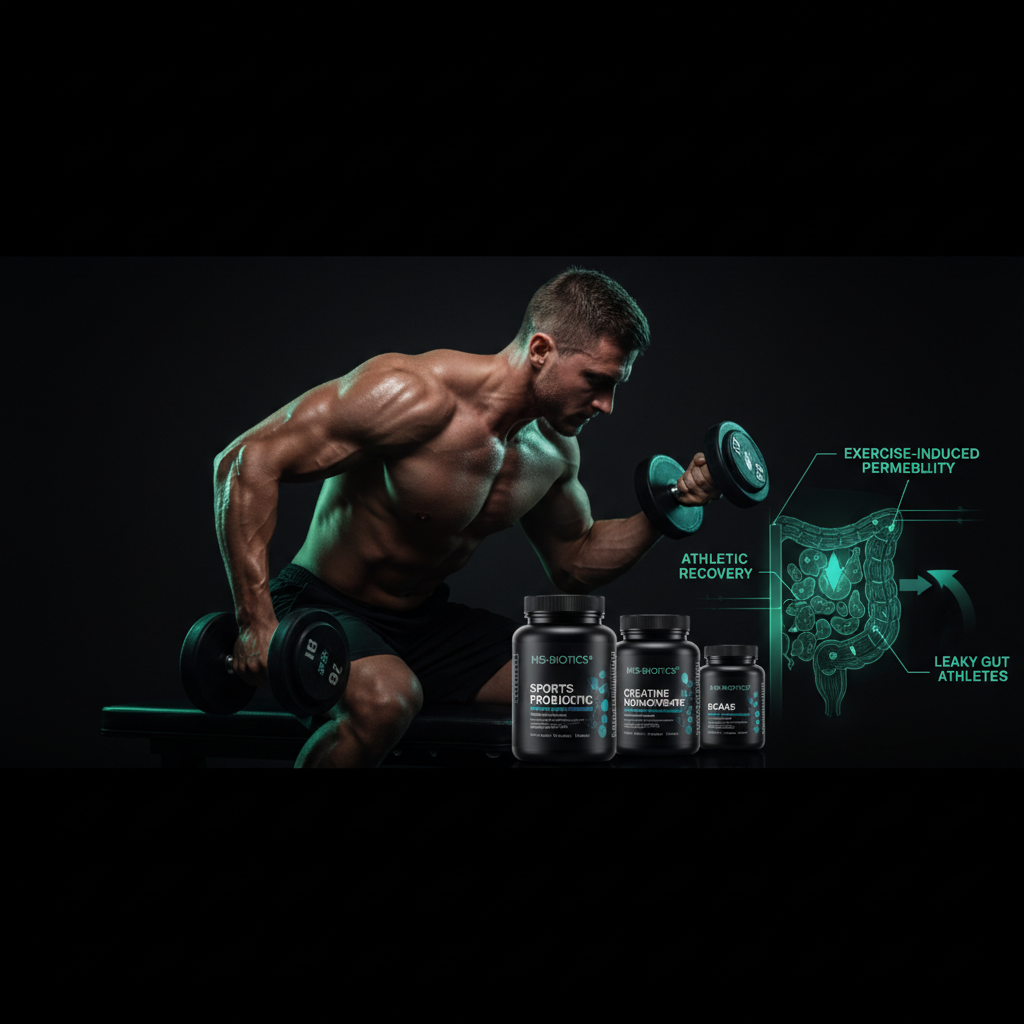
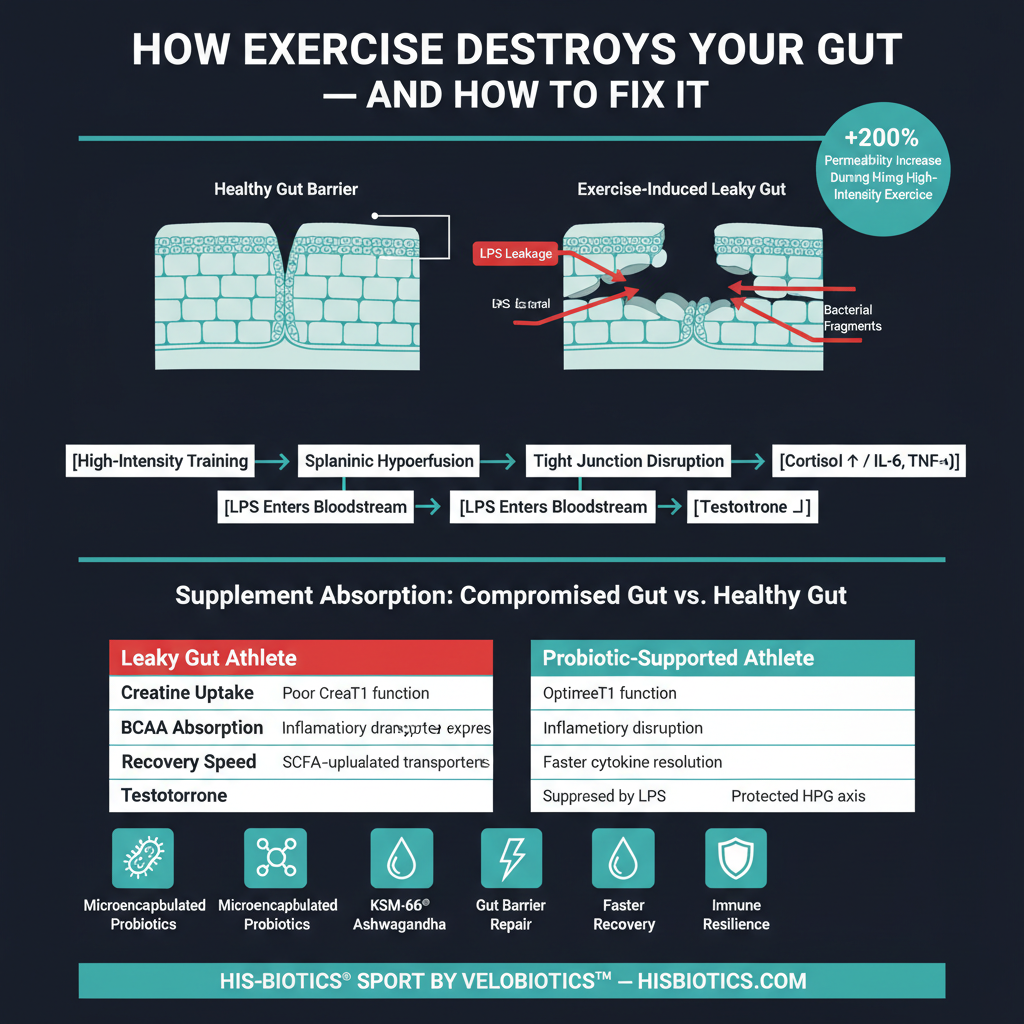
Every serious athlete knows the pain of a hard session — the burning lungs, the lactic acid, the satisfying ache of muscles pushed to their limit. What most athletes don't know is that somewhere beneath all of that effort, their gut is quietly taking a battering too. Exercise-induced gut permeability, colloquially known as leaky gut in athletes, is one of the most underappreciated barriers to peak performance, and it's more common than the sports science world would have you believe. Studies suggest that intense endurance exercise can increase intestinal permeability by as much as 200% within the first hour of exertion — a physiological cascade that has consequences far beyond a little post-run bloating.
During high-intensity or prolonged exercise, blood is shunted aggressively away from the gut towards working muscles, the heart, and the lungs. This phenomenon — known as splanchnic hypoperfusion — effectively starves the intestinal lining of the oxygen and nutrients it needs to maintain its structural integrity. The tight junction proteins that hold your gut epithelial cells together begin to loosen, allowing lipopolysaccharides (LPS), bacterial fragments, and undigested food particles to leak into systemic circulation. The result is a low-grade inflammatory state that can blunt recovery, impair hormone signalling, and chip away at your long-term athletic performance and gut health simultaneously.
What makes this particularly insidious is the timing. The damage tends to peak in the hours after your session, precisely when you're trying to absorb nutrients, synthesise muscle protein, and initiate the recovery cascade. If your gut barrier is compromised, even the most carefully engineered supplement stack becomes far less effective. Creatine that can't be properly absorbed, BCAAs that trigger an inflammatory response rather than muscle protein synthesis — these are real and measurable consequences of a gut in crisis. Understanding this connection is the first step towards genuinely optimising your athletic performance gut strategy.
The Science of Exercise-Induced Gut Permeability
What the Research Actually Shows
The evidence linking intense exercise to intestinal barrier disruption is no longer speculative — it is robust and growing. A landmark 2017 study published in Alimentary Pharmacology & Therapeutics (Costa et al.) demonstrated that running at 80% VO₂ max for two hours produced measurable increases in plasma zonulin and intestinal fatty acid-binding protein (I-FABP) — two well-validated biomarkers of gut barrier dysfunction. The authors concluded that all subjects, regardless of training status, exhibited gut permeability markers above baseline, suggesting this is a universal physiological response to high-intensity effort, not a sign of an unhealthy gut per se.
Importantly, a 2019 review in the European Journal of Applied Physiology (Pugh et al.) confirmed that the degree of gut permeability correlates with exercise intensity and duration, with the threshold for clinically relevant disruption typically appearing at efforts exceeding 60% VO₂ max sustained beyond 60 minutes. For the recreational runner, competitive cyclist, or CrossFit athlete training five-plus days a week, this means gut permeability is not an occasional event — it is a chronic, cumulative challenge. The emerging field of gut microbiome research is increasingly connecting these permeability events to downstream hormonal disruption, including suppressed testosterone and elevated cortisol — a hormonal profile that is the enemy of every athlete's progress.
Leaky Gut, Inflammation, and the Hormone Connection
When LPS enters systemic circulation through a compromised gut wall, it binds to toll-like receptor 4 (TLR-4) on immune cells, triggering a surge of pro-inflammatory cytokines including IL-6, IL-1β, and TNF-α. This inflammatory cascade does more than make you feel wrecked the day after a hard session — it actively suppresses the hypothalamic-pituitary-gonadal (HPG) axis, directly reducing luteinising hormone (LH) pulsatility and, consequently, testosterone production. For male athletes in particular, this gut-to-hormone pathway represents a significant and often overlooked performance drain. There is a growing body of PubMed research on probiotics exploring exactly this connection, and the findings consistently point to the gut microbiome as a powerful lever for hormonal optimisation.
The practical upshot for athletes is sobering: training hard without protecting your gut barrier is a self-defeating strategy. You generate inflammation to drive adaptation, but if that inflammation is compounded by endotoxin leakage, the recovery window extends, cortisol stays elevated, testosterone stays suppressed, and the anabolic window that makes your training worthwhile narrows to a sliver. This is precisely the physiological rationale behind building a targeted gut health for athletes protocol — not as a wellness afterthought, but as a fundamental component of performance medicine.
Creatine, BCAAs, and Your Gut: The Missing Conversation
Creatine Gut Health: More Than a Loading Phase Problem
Creatine monohydrate is one of the most extensively researched and effective ergogenic aids in existence — the evidence for its role in phosphocreatine resynthesis, peak power output, and lean mass accrual is essentially beyond debate. Yet creatine gut health interactions remain poorly understood by most athletes and coaches. The conventional wisdom is that gastrointestinal distress from creatine is purely a dosing issue — load too fast, and you'll bloat. While dose matters, the more nuanced picture implicates gut microbiome composition and pre-existing permeability as significant moderators of creatine tolerance and absorption efficiency.
Creatine uptake is dependent on the sodium-dependent creatine transporter (CreaT1) expressed on intestinal epithelial cells. When gut permeability is elevated post-exercise, the epithelial surface is functionally compromised, and transporter expression and function can be disrupted. A dysbiotic microbiome — low in beneficial Lactobacillus and Bifidobacterium species — has been shown to negatively alter intestinal transport protein expression broadly, which likely extends to creatine absorption. This means that the athlete with a compromised gut microbiome may be getting a fraction of the creatine they think they're absorbing, regardless of the quality of the product they're taking. Prioritising creatine gut health by restoring microbiome integrity isn't a fringe idea — it's fundamental pharmacology applied to sports supplementation.
BCAA Probiotics: Why Leucine Needs a Healthy Gut to Work
Branched-chain amino acids — particularly leucine — are the molecular trigger for mTORC1 activation and muscle protein synthesis. The BCAA probiotics conversation is one I find myself having repeatedly with high-performing athletes who are stacking leucine-rich formulas and still failing to hit their recovery targets. The issue is invariably the gut. Amino acid absorption is heavily dependent on a functional brush border membrane and the integrity of specific transporter proteins — including LAT1 (large neutral amino acid transporter) — that are sensitive to the inflammatory milieu of a leaky gut.
Furthermore, the gut microbiome itself plays a direct role in BCAA catabolism and interorgan signalling. Certain gut bacteria metabolise BCAAs before they reach systemic circulation, while others produce short-chain fatty acids (SCFAs) like butyrate that actually upregulate the intestinal transporters BCAAs need for efficient uptake. A 2020 paper in Cell Metabolism (Neinast et al.) illuminated the complexity of BCAA tissue partitioning, highlighting that systemic availability is as important as intake. For athletes, the implication is clear: a probiotic-supported gut is not ancillary to your amino acid strategy — it is the infrastructure upon which that strategy depends. When you pair high-quality BCAAs with sports probiotics designed to maintain gut barrier integrity, you are not just stacking supplements; you are engineering an environment where those supplements can actually do their job.
Sports Probiotics: What the Science Says Matters for Athletes
Not all probiotics are created equal, and the sports probiotic space is unfortunately littered with underdosed, poorly evidenced products that borrow the credibility of the microbiome science without delivering it. When evaluating sports probiotics for athletic applications, there are several criteria that genuinely matter: strain specificity, colony-forming unit (CFU) viability at the point of absorption (not just manufacture), and evidence of efficacy in exercise-related outcomes specifically. Generic Lactobacillus acidophilus products designed for digestive comfort in a sedentary population are not the same as a clinically informed formula targeting gut barrier integrity, immune resilience, and recovery kinetics in hard-training athletes.
The strains with the strongest evidence base for exercise recovery probiotics include Lactobacillus plantarum 299v, which has demonstrated capacity to reduce exercise-induced gut permeability and improve iron absorption; Lactobacillus rhamnosus GG, consistently linked to reduced upper respiratory tract infections in athletes under high training loads; and Bifidobacterium longum 35624, which modulates the gut-brain axis and has emerging data in stress-resilience that is directly relevant to training adaptation. Importantly, probiotic viability is a significant technical challenge — most live bacterial cultures are degraded by stomach acid long before they reach the small intestine and colon where they exert their effects. This is where delivery technology becomes as important as strain selection.
At Velobiotics™, we developed our proprietary microencapsulation technology specifically to address this problem. Each probiotic strain in our formulas is individually encapsulated in a pH-sensitive shell that protects the bacteria through the acidic gastric environment and releases them precisely in the intestinal zones where colonisation and activity are most therapeutically relevant. Independent viability testing confirms that microencapsulated strains in our formulas survive at rates exceeding 95% through simulated gastric transit — compared to the 1–10% survival rates typical of standard capsule or powder delivery. This isn't a marginal improvement; it is the difference between swallowing a probiotic and actually receiving one. You can explore our athlete formula range to see exactly how this technology is applied across our performance line.
Ashwagandha, Adaptogens, and the Gut-Cortisol Axis in Athletes
No discussion of athletic recovery and gut health is complete without addressing the cortisol dimension. Cortisol is not the enemy — it is an essential hormone for mobilising energy during training and driving some of the adaptation signals you're training for. The problem is chronically elevated cortisol in the post-exercise recovery window, which directly increases intestinal permeability (cortisol loosens tight junctions), suppresses secretory IgA (your gut's front-line immune defence), and disrupts the sleep architecture that underpins hormonal recovery. Athletes in heavy training blocks are, almost by definition, operating with elevated cortisol — managing this intelligently is a core pillar of performance medicine.
KSM-66® Ashwagandha (Withania somnifera) is the most clinically validated adaptogen for cortisol modulation in athletic populations. The clinical studies on KSM-66® Ashwagandha include a well-designed 2019 RCT published in Medicine & Science in Sports & Exercise (Ziegenfuss et al.) showing significant improvements in VO₂ max, recovery time, and serum testosterone in trained males following 8 weeks of supplementation at 600mg daily. Crucially, these effects appear to be partially mediated through the gut-brain-adrenal axis — KSM-66® has been shown to reduce serum cortisol by up to 27.9% in chronically stressed individuals, which in turn reduces cortisol-driven gut barrier degradation. Including a bioavailable adaptogen alongside sports probiotics creates a synergistic two-pronged approach: probiotics rebuild the gut barrier from the inside, while KSM-66® reduces the cortisol-driven assault on that same barrier from above.
This is the formulation philosophy behind His-Biotics® Sport — a product built not on marketing intuition but on a mechanistic understanding of how the male athlete's gut, immune system, and endocrine axis interact under training stress. Every ingredient is selected with a specific physiological target in mind, dosed at clinically meaningful levels, and delivered via our microencapsulation platform to ensure it actually reaches the site of action. If you're serious about optimising your recovery, this is where that conversation has to start.
Building Your Athletic Gut Protocol: Practical Steps
When and How to Use Sports Probiotics for Performance
Timing matters with exercise recovery probiotics, and the clinical evidence offers some useful guidance. Taking your probiotic within 30 minutes of completing an exercise session, when gut permeability is at its post-exercise peak, allows beneficial bacterial metabolites — particularly butyrate and propionate — to begin reinforcing tight junction protein expression during the critical repair window. Evening dosing has also been shown to align well with the nocturnal increase in gut motility and mucosal repair activity. If you're using our Morning Man Protocol as your daily foundational routine, integrating your sport-specific probiotic around training adds a targeted layer of gut protection precisely when you need it most.
Dietary strategy interacts powerfully with your probiotic protocol. A prebiotic-rich diet — abundant in fibres from chicory root, Jerusalem artichoke, garlic, and green banana — provides the fermentable substrate that beneficial bacteria need to produce the SCFAs that heal the gut wall. Athletes eating ultra-low-carb diets or severely restricting fibre in the name of body composition goals may inadvertently be starving the microbiome they're spending money to cultivate. Balance here is not a compromise — it is a physiological necessity.
Key Supplement Interactions to Optimise
- Creatine + Probiotics: Take creatine post-workout alongside your probiotic dose. A healthier gut epithelium means better CreaT1 transporter function and more efficient creatine uptake — less bloating, more muscle saturation.
- BCAAs + Prebiotic Fibre: Pairing leucine-rich BCAAs with a small serve of prebiotic fibre (5–10g) supports the SCFA production that upregulates intestinal amino acid transporters, improving net BCAA absorption.
- KSM-66® Ashwagandha + Morning Routine: 300–600mg with breakfast blunts the morning cortisol spike that follows hard evening training sessions, protecting gut barrier integrity overnight.
- Hydration and Electrolytes: Splanchnic hypoperfusion is worsened by dehydration. Maintaining plasma volume during training directly reduces the severity of post-exercise gut permeability — electrolyte-rich hydration is gut medicine.
- Glutamine (optional): 5g post-training provides a direct fuel source for enterocytes (gut lining cells) and has been shown to reduce exercise-induced permeability increases in several small RCTs — a useful adjunct for athletes in peak training blocks.
- Avoid NSAIDs: Ibuprofen and other NSAIDs independently increase gut permeability and dysregulate the microbiome — their casual use around training is far more damaging to your gut health than most athletes appreciate.
Key Takeaways
- Exercise-induced gut permeability is universal: All athletes training at high intensities experience measurable increases in intestinal permeability — it is not a pathology but a physiological challenge requiring active management.
- Your gut determines your supplement ROI: Creatine, BCAAs, and other ergogenics are only as effective as your gut's ability to absorb and utilise them — a compromised gut barrier silently undermines your entire supplement stack.
- Sports probiotics must be strain-specific and viability-assured: Generic probiotic products are not designed for the athletic gut. Strain selection, CFU dose, and delivery technology all determine whether a probiotic delivers clinical results or simply expensive urine.
- Cortisol and gut permeability are bidirectionally linked: High cortisol opens the gut barrier; a leaky gut amplifies systemic inflammation that suppresses testosterone and extends the cortisol stress response — breaking this cycle is essential for sustained athletic progress.
- Microencapsulation is not optional for serious athletes: Velobiotics™ microencapsulation technology ensures probiotic strains survive gastric transit and colonise where they matter — this is the technological difference between a supplement and a solution.
- A gut-first approach multiplies every other investment in performance: Nutrition, training, sleep, and supplementation all depend on a functional gut to deliver results — protecting gut barrier integrity is not a wellness extra, it is the foundation of athletic performance medicine.
If you are training hard and not yet thinking about your gut as a performance organ, you are leaving significant gains on the table. The science is clear, the mechanisms are understood, and the solutions are available. His-Biotics® Sport was formulated specifically for the male athlete who wants to train harder, recover faster, and protect the physiological systems that make elite performance sustainable. Whether you're deep in a marathon block, hitting the platform three times a week, or simply competing against your own best — your gut is where your results are decided. Start there. Explore our athlete formula range today and take the Total Gut Score (TGS) quiz to discover exactly where your gut health is currently holding your performance back.
— Dr. Chomba Chuma, MD & Founder, His-Biotics® by Velobiotics™